
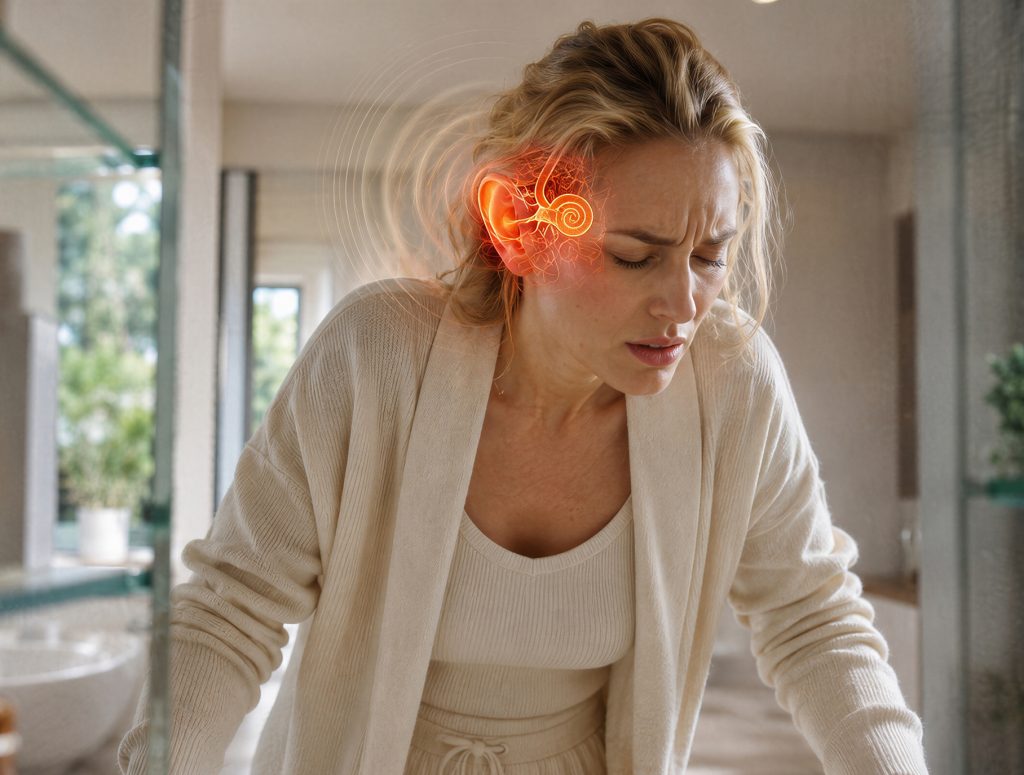




For individuals who feel dizziness or unsteadiness as a range of different sensations. From spinning, losing balance, lightheadedness, fogginess or feeling vague or woozy.
There can be a number of underlying causes such as:
I have worked as a physiotherapist for 27 years. During this time it has been my pleasure to work with many people from a variety of backgrounds, involved in elite sporting rehabilitation, the private sector, Defence Rehabilitation and the NHS.
I have extensive knowledge in all musculoskeletal problems and treatments including working as and Advanced physiotherapy practitioner referring for MRI, X-Ray and ultrasound scans and performing corticosteroid injections. Over the last 20 years I have taken a personal interest and great satisfaction in being able to help those with headache, migraine and face pain as well as dizziness.
Dizziness and unsteadiness occurs when there is a problem with the body’s balance system. This is mainly located in the inner ear but works closely with the brain, eyes, neck and muscles and joints of the body.
Common causes can be , BPPV ( benign paroxysmal positional vertigo) , vestibular neuritis, labyrinthitis, Ménière’s disease, neck dysfunction, visual-vestibular mismatch , brain processing difficulties.
Dizziness can be related to neck pain , neck injury or neck pathology and can be termed cervicogenic dizziness or CGD. There are numerous structures around the neck contributing to our general proprioception (awareness of our body in space or sensorimotor system).
A change in their function can disrupt our proprioception and can cause Rarer cases, some of the neck arteries and cranial nerves have potential to make us feel dizzy. Therefore it is important to have a thorough assessment to try and ascertain the cause .
Inside our inner ear we have 3 semicircular canals and some otolith organs that detect head movement and help us understand how our bodies are moving thus helping us maintain balance and steadiness. This works along with our central nervous systems (CNS) to process the signals we get from our inner ear.
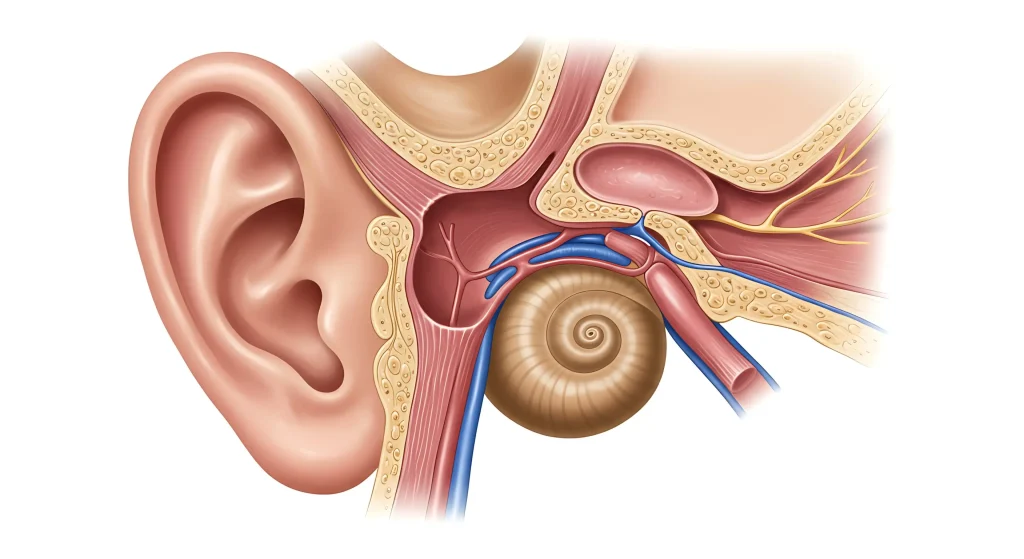
The brain then processes data from this inner ear organ along with other information for our eyes, muscles and joints to keep us in balance .
A problem with one or more of these systems can cause us to feel dizzy or unsteady. The systems can stop communicating properly and you may then experience VERTIGO (spinning) and unsteadiness , nausea, visual disturbances, motion sensitivity, leading to loss of confidence when performing everyday activities.
Your initial appointment will last around 60 minutes. Susan will take an in depth, comprehensive history about your symptoms and general health overall. You will then have an objective assessment which is a number of tests and movements designed to try and find the source of your symptoms. This will involve looking at how you stand and move, your neck movements, assessing your inner ear and the blood vessels around your neck. As well as looking at the nervous system locally and holistically.
The assessment may involve having to move your head into different positions, this may make you feel temporarily dizzy but is necessary to try and establish a cause. The assessment will take place at your own pace and as slow as is needed with rests when required.
A discussion will take place at the end of the assessment on the Findings. A personalized treatment plan will be created and if needed suggestion of further investigations.
You may also be asked to fill in a dizziness questionnaire before your appointment. If you have problems filling this in don’t worry Susan can ask you during your assessment.
Dizziness is often harmless and can be treated when the underlying cause is identified correctly. However, you should seek emergency medical help if you experience dizziness with:
Vestibular conditions affect more than balance. It is closely linked to our nervous system (which is involved in emotional regulation, stress and anxiety). This can create a cycle where dizziness creates worry and worry creates dizziness. Being fearful of triggering the symptoms can then cause avoidance of activity, disrupted sleep and hyper vigilance. This slows recovery.
You’ve taken the first steps to finding out how to help. Firstly an initial thorough assessment will help rule certain conditions out or indeed include them within the diagnosis.
You can start either hands on treatment with Susan, a tailored exercise programme, sometimes acupuncture can help and discussions on any worries and mental health issues or general health problems that may be contributing.
Support to reduce the fear of moving and taking part in activities you love via a graded activity programme can help. It is usually a combination of treatments that help people to reduce or stop dizziness episodes, increase confidence and return to activity.
Timelines will vary with each individual. Symptoms can sometimes take a few months to reduce the frequency intensity depending on the cause. Disorders like BPPV can be resolved with correct treatment and can resolve with the right treatment.
The treatment you receive will be different for each person, certain types of dizziness may need a personal continuous management plan, however, you can get back to an improved lifestyle.
Whether it’s a recent injury or ongoing pain, we’re here to help you move and feel better. Book your discovery call today.