

Headache and face pain can affect us all in different forms and our daily lives in various ways . Some symptoms can be mild allowing us to function. Many symptoms can be debilitating, such as high pain levels, vomiting, dizziness, affecting our ability to concentrate and move, it may feel like we are not quite in full control, like a fog . Headache, migraine and face pain can affect our jobs, our social lives and family.

Headache has multiple classifications within the medical system. While this can be useful for certain types of medication and to give a picture of a person's symptoms , having this classification such as tension headache, cluster headache, migraine etc... Doesn’t always lead to help in diminishing the symptoms. In many cases, people have had multiple interventions such as medication trials, investigations not always leading to a desired outcome.
There can be many layers to the formation of headache, migraine , face pain. You may have already highlighted in your life some triggers. Workload, general health, hydration, mental health, medication, beliefs, exercise can be contributing factors. A full holistic view must be taken and fully assessed, indeed in some cases investigated further.
Many of our systems can overlap when it comes to head symptoms. Such as the vestibular systems (ear and balance), ocular (eye) and the upper cervical spine (neck). These systems can contribute to head and face pain.
A key hub or controller in processing information to decide if we are going to develop headache, migraine or face pain is the TCC or the trigeminocervical nucleus/complex. The TCC is a zone in the brainstem where the upper neck afferent nerves ( the nerves that carry information from the neck to the central nervous system) from C1-C3 interact with the trigeminal system ( responsible for supplying the head and face with sensation and some motor functions). The TCC generally decides if you will or won’t get pain in your head/face.
Because of this close interaction, the neck can play a large role in contributing to the formation of some headaches ,migraines and face pain. Those classed as primary headaches ( a headache condition caused by overactivity or dysfunction of pain sensitive structures in the head rather than an underlying medical disease or injury) and migraine can become sensitised . Which is essentially a heightened response to normal or low level inputs resulting in headache or face pain from seemingly normal day to day occurrences and actions such as light, taste,smell, sound, movement ,stress levels, hormones. This heightened sensitivity within the TCC can wax and wane . Some medications can reduce this such as triptans
As the TCC receives information from the upper cervical spine C1-C3 nerves, this area can play a large role in the formation and contribution of sensitivity of the TCC. Thus affecting headache, migraine and face pain. You don’t need to have neck pain for this to be the case.
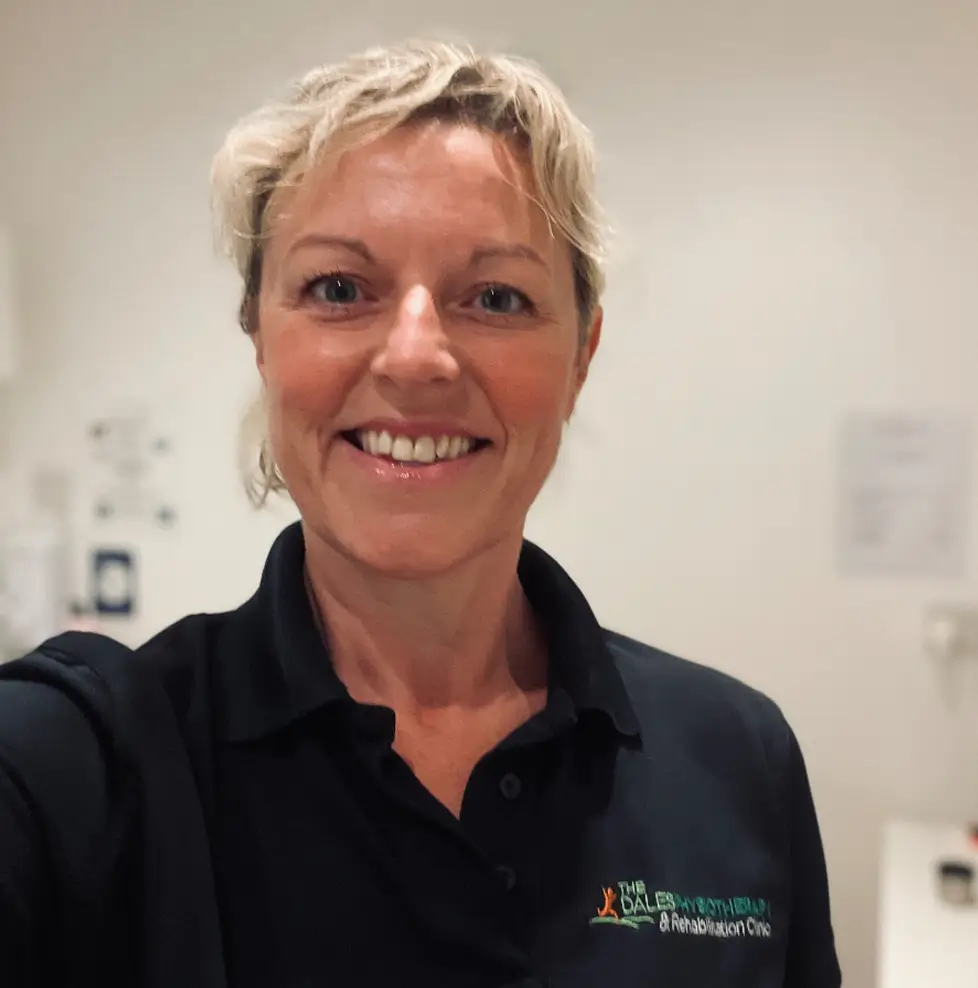

Susan has treated hundreds of headaches and migraines, including face pain. Successfully reducing or removing the symptoms such as pain, dizziness, fogginess, blurred vision, ear ringing, facial numbness, eye watering, sinus pain, exercise triggers, menstrual headache, and jaw pain. Through a thorough assessment and history taking to analyse the contribution level of the neck, ears, balance systems and neurological assessment. Susan can help to highlight problem areas, apply treatment plans, suggest further investigations if needed.
Don’t suffer in silence, make an appointment . Discuss your symptoms and take a step to getting an answer.
Certain symptoms as from secondary headache (due to underlying disease or condition) would warrant more investigation and some may need immediate medical attention.
Susan can assess any type of head or face pain to ascertain if the source may need further investigation or if it can be treated in the clinic. There are many classifications of headache for example such as migraine, migraine with aura, the aura without the pain, cluster and tension headache, menstrual… The list is very long.
Although the classification system currently used is helpful it does not necessarily mean there is a different treatment method for each different type of headache. You do not need to have seen a GP or neurologist beforehand. Susan can also treat post concussion syndrome.
Susan will take a detailed history from you, asking questions such as how long have you been experiencing the symptoms? What triggers or worsens the pain? What investigations have you had so far? The history will be detailed and in depth about your symptoms and also your general health.
Depending on the information you have provided, the assessment will generally look at general posture, head posture and spinal movement , cranial nerve examination, neurological examination, neck examination , if needed a vestibular and balance assessment and jaw/ facial assessment.
An impression of the cause and a treatment plan or advice will then be discussed depending on the findings of your assessment. You may also be asked to fill out a small questionnaire about your symptoms. This is to see if onward referrals may be needed and also to monitor your progress.
Susan will be able to tell you at your first appointment how and if she can help your head or face pain. There is no pressure to attend further appointments and you will be given an idea of how long it may take to improve.
Treatment length varies between each individual due to the sometimes complex and multi factorial nature of head pain and face pain. Susan has helped many people to reduce or abolish their symptoms and this has ranged from one session through to 8 sessions.
It is common to experience other symptoms with headache, migraine and face pain. These can include and are not restricted to:
If you experience any of these symptoms, they will be fully assessed to see if any further investigations may be needed, however, they can also be successfully treated along with your head and face pain.
Whether it’s a recent injury or ongoing pain, we’re here to help you move and feel better. Book your discovery call today.
